Discreet Biohazard & Specialty Cleanup Across the Carolinas
Referral coordination for severe-condition cleanup — biohazard, gross filth, animal contamination, unattended-death scenes.
100% Confidential. We typically respond within 24–48 hours on weekdays. No judgment, no pressure.
Does Any of This Sound Like Your Situation?
The situation involves conditions that go well beyond what a standard cleaning service can safely handle.
You think insurance might cover part of this, but don't know who to call or what to document.
The cleanup needs to stay completely private. No marked trucks, no visible activity from the street.
You need someone on-site quickly, and most services you've called don't respond to situations like this.
You don't need to have it all figured out before you call. One conversation is usually enough to know what comes next.
Have you ever wondered what happens when a standard deep clean just isn’t enough to make a property safe again? Facing a situation that requires Biohazard & Specialty Cleanup feels overwhelming for any property owner.
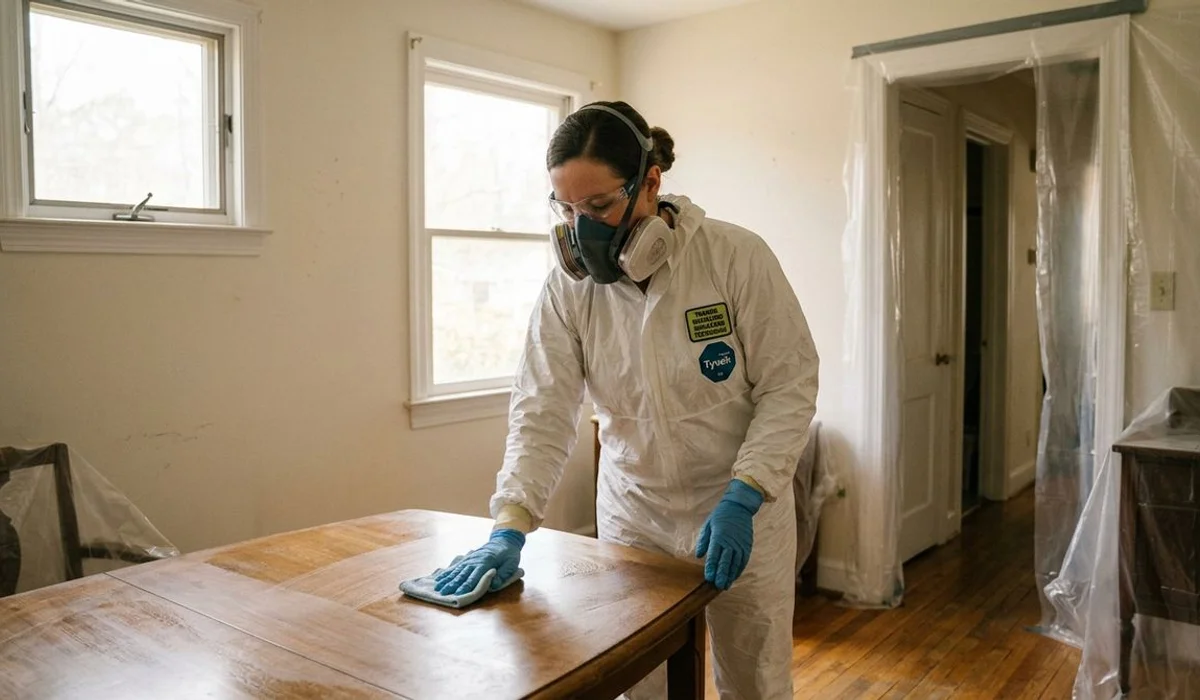
Our team at Carolina Hoarding Cleanup connects families across NC and SC with professional providers trained to strict OSHA and ANSI/IICRC S540 standards. This level of work involves careful bloodborne-pathogen handling and thorough structural decontamination.
Our Commitment: Families need a cleaning company that brings a rare kind of compassion to a highly difficult job.
We manage the intake conversation discreetly and route you to the right provider for your specific situation. A simple mistake during DIY cleaning can leave dangerous biological threats behind.
Proper coordination with insurance is also crucial when you face a covered-peril component.
When Biohazard Crews Are Needed
Certain property conditions require an immediate response from trained specialists. The average cleaning company lacks the protective gear and chemical knowledge to safely manage infectious materials.
Our network of professionals relies on the OSHA Bloodborne Pathogens Standard (29 CFR 1910.1030) to guide every single decontamination job. Industry data from the American Bio-Recovery Association indicates that approximately 65% of biohazard calls involve unattended deaths where decomposition has started.
These delicate scenes introduce complex airborne pathogens that standard household cleaners simply cannot eliminate. Here are the most common scenarios requiring specialized intervention:
- Unattended-death scenes that require comprehensive decomposition cleanup and odor removal.
- Animal hoarding properties with extensive waste contamination and hantavirus risks.
- Gross-filth conditions affecting porous surfaces like flooring, drywall, or HVAC systems.
- Bloodborne-pathogen events requiring strict OSHA-aligned containment protocols.
- Severe hoarding situations that have escalated far past safe DIY or standard cleanup limits.
- Insurance-flagged cleanups requiring detailed documentation for an active claim.
Property owners often underestimate the severe health risks hiding beneath visible stains. A porous subfloor can hold dangerous bacteria for months if left untreated.
Our technicians utilize hospital-grade disinfectants and heavy-duty protective suits to ensure nothing is missed.
The Risks of DIY Cleanup vs. Professional Remediation
Attempting to sanitize a trauma scene on your own can lead to costly structural damage and serious health liabilities. State health departments strongly advise against handling any human waste or blood spills without proper training.
We always encourage property owners to review the facts before grabbing a mop and bucket. This table highlights the clear differences between a professional response and a risky DIY attempt.
| Comparison Factor | DIY Cleanup Approach | Professional Biohazard Team |
|---|---|---|
| Safety Standards | Standard N95 masks leave users exposed to Hepatitis B and HIV pathogens. | Full compliance with OSHA 29 CFR 1910.1030 using BSL-2+ rated hazmat gear. |
| Chemical Use | Over-the-counter bleach achieves less than 90% penetration on porous wood floors. | EPA List N approved disinfectants engineered for 99.9% pathogen neutralization. |
| Waste Disposal | Fines for illegal residential medical waste dumping can exceed $10,000 per violation. | Regulated transportation complying with DOT 49 CFR Parts 171-180. |
What Discreet Response Looks Like
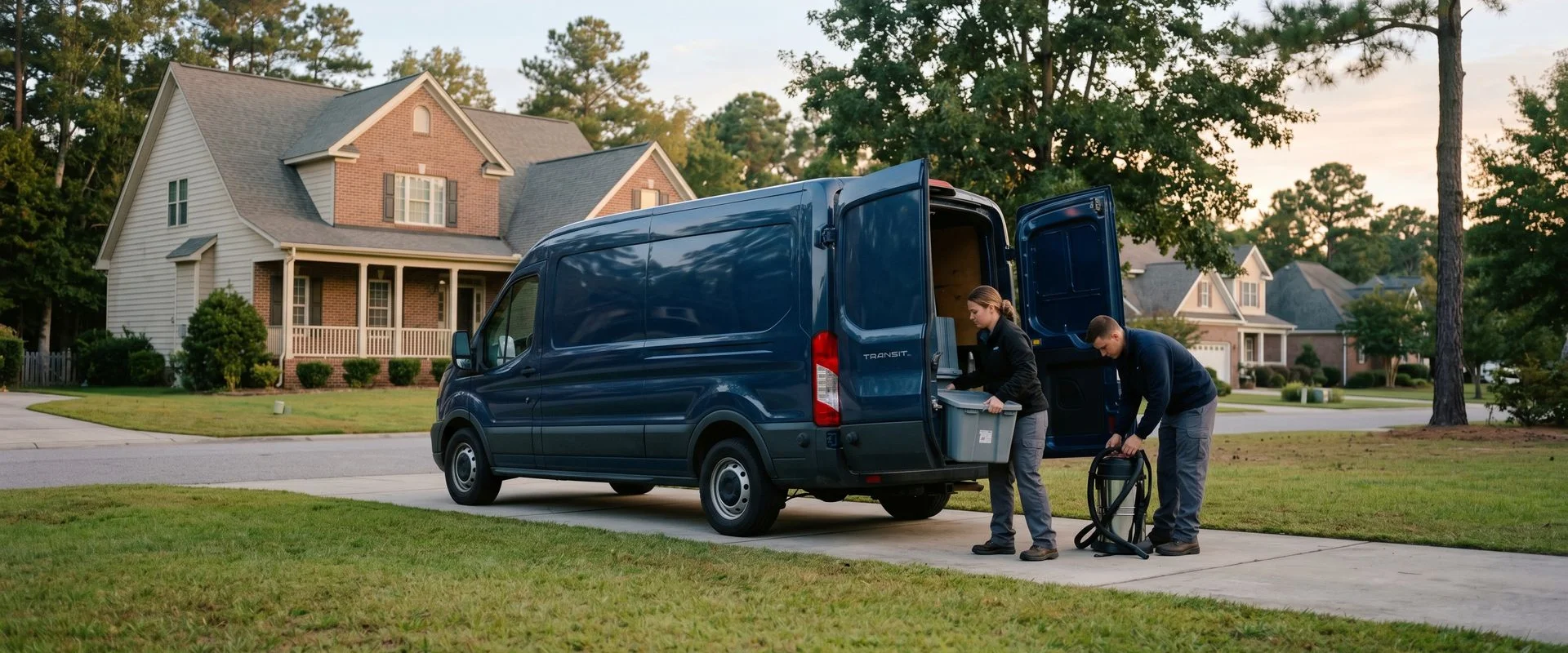
Most residential neighborhoods do not need a brightly marked truck announcing a biohazard situation in the driveway. Local homeowners associations and close-knit communities often notice unusual activity immediately.
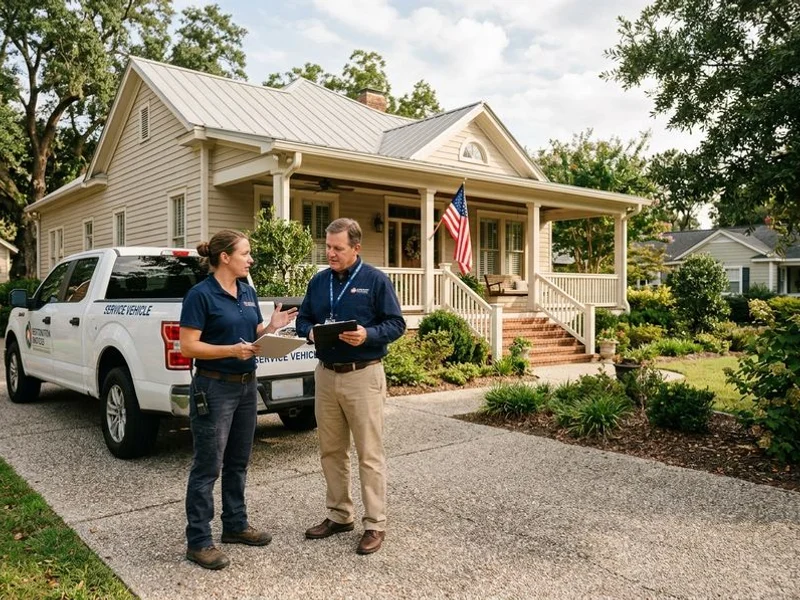
Our providers default to using unmarked vehicles for biohazard work in residential areas. Teams also utilize off-peak scheduling to minimize visibility during busy morning or evening hours.
Privacy Guarantee: Nothing about your situation gets shared with neighbors, and the family’s circumstances remain completely confidential from third parties.
We understand that dealing with trauma or hoarding is already stressful enough without unwanted public attention. Protecting your reputation and giving you space to heal are top priorities for every technician on site.
Insurance Coordination
A meaningful share of property cleanups involve a covered-peril component like water damage or fire damage. Certain decomposition scenarios also fall under standard property damage clauses.
Our intake team helps you understand exactly what to ask your carrier before committing to any service. In 2026, the average cost for standard residential biohazard cleanup in the US ranges between $1,500 and $5,000.
Extreme cases involving severe hoarding or large spaces can quickly exceed those numbers. Many homeowners insurance policies cover these specialized services minus your standard deductible.
Managing Out-of-Pocket Costs and Claims
Filing a successful claim requires highly specific paperwork. The provider documents the entire remediation process in the exact format your insurance adjuster needs.
Our billing specialists send the photographic evidence and line-item invoices directly to the carrier to speed up approval. When coverage does not apply to a situation, transparency becomes the main focus.
We will explain the out-of-pocket costs clearly upfront so your family can plan accordingly. Here are a few quick tips for managing the financial side of a cleanup:
- Review your deductible: Most homeowner policies carry a deductible ranging from $500 to $2,000.
- Ask about coverage caps: Some carriers place a hard limit on biohazard-specific payouts.
- Request a detailed estimate: Professional teams should provide a breakdown of labor, equipment, and disposal fees.
- Check for local assistance: Uninsured victims of violent crimes may qualify for state victim compensation programs.
Biohazard & Specialty Cleanup is not a service anyone plans to need, but you do not have to figure it out alone. Reach out to the team today, and let us help you restore your property safely.
Some cleanup situations require certified, trained crews with PPE, HEPA filtration, and OSHA-aligned protocols. Carolina Hoarding Cleanup connects you with biohazard-specialty providers across the Carolinas who handle gross filth, animal hoarding contamination, unattended-death cleanups, and bloodborne-pathogen scenes — privately, professionally, and with compassion for the people left behind.
What's Included
- OSHA bloodborne-pathogen protocols
- IICRC-aligned sanitization and decontamination
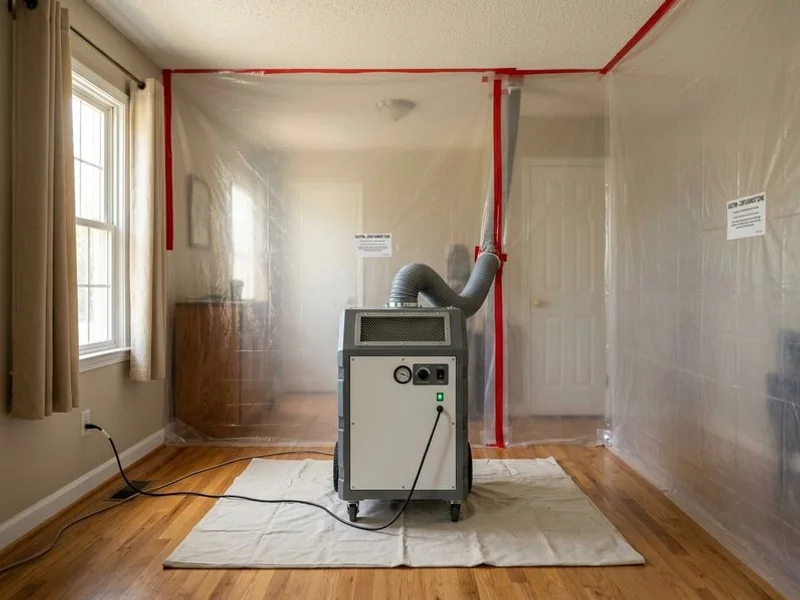
- PPE, HEPA filtration, EPA-registered disinfectants
- Discreet response (unmarked vehicles where requested)
- Insurance coordination (homeowner / liability claims)
- Compassionate handling of unattended-death scenes
How It Works
- 1
Urgent intake
We answer fast for biohazard situations. Intake response within 24–48 hours; urgent routing depends on provider availability.
- 2
Containment & assessment
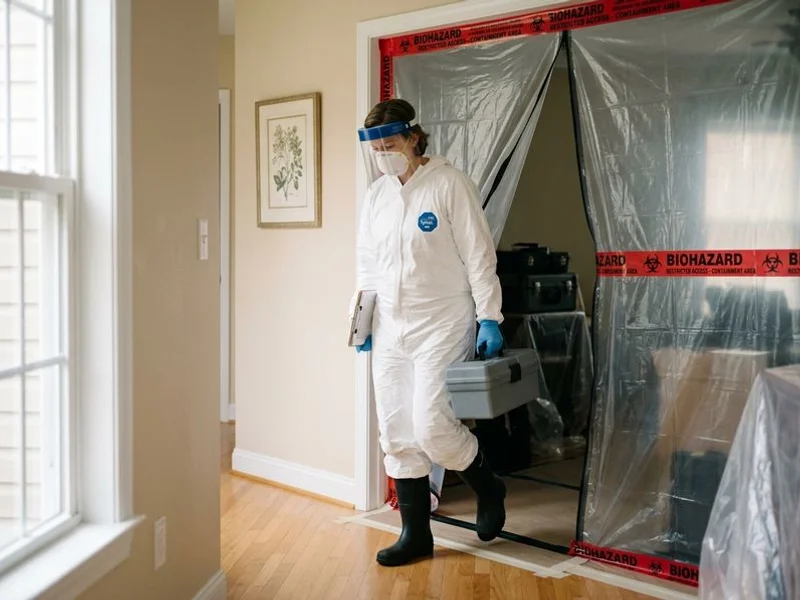
The biohazard provider establishes containment, documents the scene for insurance, and scopes the remediation.
- 3
Remediation & decontamination
Trained crews handle removal, surface-by-surface decontamination, HEPA filtration, and odor source removal under OSHA-aligned protocols.
- 4
Verification & handoff
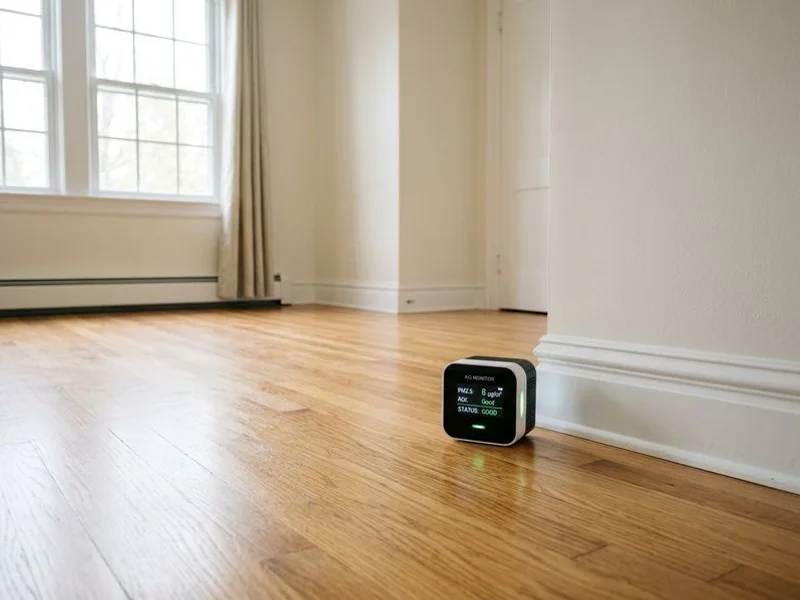
Post-clean verification with air-quality and surface testing where appropriate. Documentation provided for insurance and disclosure.
Why Families Choose This Path
Trained, certified providers
Our biohazard-specialty providers operate under OSHA bloodborne-pathogen protocols and IICRC sanitization standards.
Insurance-aware
Many biohazard cleanups have a covered-peril component. We help you understand what to ask your carrier before committing.
Compassionate handling
Unattended-death and animal-hoarding scenes need both technical skill and human dignity. Our providers carry both.
Honest scope
If a job is being mis-categorized as a deep clean when it's actually biohazard, we say so. Safer for everyone.
Need a Vetted Provider? No Commitment Required.
We are a referral and resource platform — we do the intake, match you with one independent local provider, and step back. No phone calls, no obligation. Submit the confidential intake form and we will route your request to a screened provider who handles complicated situations, urgent timelines, and out-of-state coordination every day.
100% Confidential. We typically respond within 24–48 hours on weekdays.
What "Done Right" Actually Looks Like
Cleanup is private work, so we don't publish client testimonials. Here are the concrete safeguards you can verify before you reach out.
Credentialed Network
Every matched provider carries active general liability insurance and at minimum one of: IICRC certification, OSHA Bloodborne Pathogens training, or NASMM move-management credentials. We share proof of insurance on request.
Independent Provider Model
Cleanup is performed by independent local providers. We are a referral and resource platform — we don't perform the work and don't warrant pricing, timelines, or outcomes. Scope, schedule, and price are agreed directly with the matched provider.
Privacy-First Operations
Intake is confidential, crews arrive in unmarked vehicles on request, and your information is shared with exactly one matched provider — never a lead-generation list or directory.
Biohazard Cleanup — Common Questions
What counts as a biohazard cleanup?
Common triggers include unattended-death cleanup, significant animal waste, gross-filth conditions, structural saturation in flooring or drywall, or visible pests at scale. When in doubt, call us — we can usually triage from a phone description.
Will homeowners insurance cover this?
Sometimes. Covered-peril triggers (water damage, fire, certain decomposition cases) often qualify. Pure hoarding-related cleanup rarely does. Our intake team helps you understand what to ask your carrier.
Can the work stay private?
Yes. Discreet response with unmarked vehicles is the default for biohazard work in residential areas. Nothing about the situation is shared with neighbors or third parties.
How quickly can a provider be on-site?
For urgent biohazard situations, we route to providers with 24/7 availability as their calendars allow. We typically respond to intake within 24–48 hours and will prioritize urgent requests noted in the form.
Related Biohazard Cleanup Guides
In-depth answers to the questions families ask before they call.
Animal Hoarding Cleanup — What Families Need to Know
Animal hoarding cleanup explained — animal-control coordination, urine and feces saturation handling, odor remediation, and emotional considerations.
Read guide → GuideBiohazard Cleanup Safety, PPE, and Sanitization Process
How vetted Carolinas providers handle biohazard cleanups — PPE tiers, containment, HEPA filtration, EPA disinfectants, and post-clearance verification.
Read guide → GuideGross Filth Cleanup — When Hoarding Becomes Hazardous
Visual, olfactory, and structural cues that mean a hoarding case has crossed into gross-filth territory and the handoff to biohazard-trained crews.
Read guide → GuideWhat Counts as Biohazard Cleanup?
Where deep cleaning ends and biohazard remediation begins — OSHA bloodborne, gross filth thresholds, animal waste, and unattended-death scenarios.
Read guide → Decision SupportBiohazard Cleanup vs. Standard Deep Cleaning
Side-by-side: biohazard cleanup vs standard deep cleaning. Definitions, certifications, chemicals, price difference, and routing logic.
Read guide → Decision SupportDoes Insurance Cover Biohazard Cleanup?
When NC and SC homeowner policies cover biohazard cleanup, common exclusions, deductibles, and how providers coordinate with carriers.
Read guide → Decision SupportUnattended Death and Decomposition Cleanup — A Compassionate Guide
A respectful, practical resource for families discovering an unattended death — immediate steps, coroner sequencing, what providers do, and dignity protocols.
Read guide →Related Cleanup Services
Estate Cleanouts
Compassionate, probate-aware estate cleanout coordination across North and South Carolina.
Learn more →Deep Cleaning & Sanitization
Restoration-grade cleaning, odor remediation, and air-quality work — separate from a standard maid service.
Learn more →Junk Removal
Volume-based junk removal with donation and recycling coordination — and a smart cross-route to hoarding cleanup when scope escalates.
Learn more →Need a Vetted Carolinas Provider?
We do the intake and refer you to one independent local provider — no phone calls, no obligation. Submit the confidential intake form and we will route your request to a screened provider in your area.